


Shanghai Songjiang Vibration Absorber Group Co., Ltd. presents an in-depth investigation on whether 95% methanol can be used with EPDM rubber expansion joints. Below are findings from various sources on this topic:
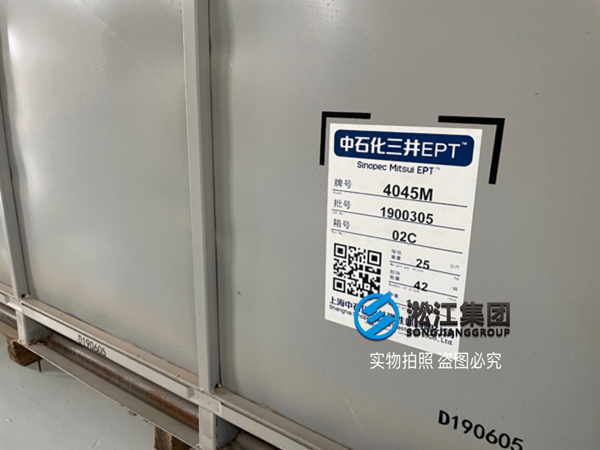
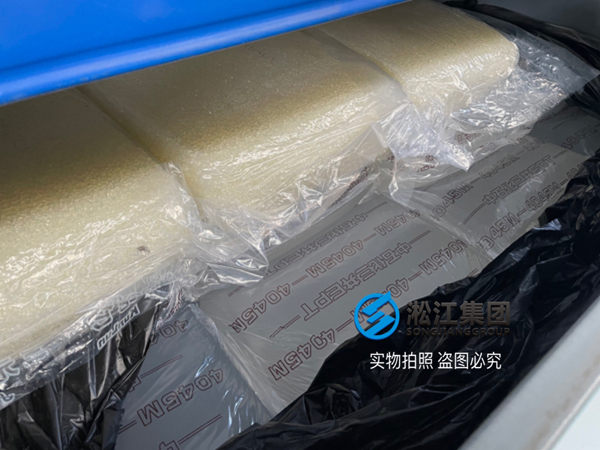
Answers Found on Search Engines: It is not advisable to store methanol in plastic containers as prolonged use may cause degradation, potentially leading to methanol contamination. Many resins, nylon, and rubbers, especially nitrile (NBR), ethylene propylene diene monomer (EPDM), polytetrafluoroethylene (PTFE), and chloroprene rubber, are ideal materials for methanol handling and storage equipment. At room temperature, pure methanol does not corrode most metals (excluding lead, magnesium, and platinum). However, copper coatings (or copper alloys), zinc (including galvanized steel), or aluminum are susceptible to methanol corrosion, albeit at a slower rate at room temperature. It is recommended to store methanol long-term in containers made of aluminum or lined with aluminum. Consider using EPDM rubber hoses, which offer the best cost-performance ratio and are less prone to methanol corrosion. When designing the rubber material, avoid using materials easily soluble in methanol as fillers or curing agents. Another suggestion is to use a blend of nitrile rubber (NBR) and polyvinyl chloride (PVC). NBR with medium to high acrylonitrile (ACN) content is recommended, as too high ACN content may lead to poor performance at low temperatures when combined with PVC. A blend of 7:3 NBR and PVC, resistant to temperatures as low as -30 degrees Celsius, is suitable. However, using such a formula requires the addition of low-temperature-resistant plasticizers; otherwise, performance at -30 degrees Celsius will be compromised. With the increasing global demand for methanol, rubber seals related to methanol face two potential failure points:
- Current seals may experience rubber expansion if methanol is used as an additive.
- Seal processing equipment used in methanol production. Methanol affects different rubber elastomers’ volume expansion differently. In practical sealing applications, choosing the appropriate rubber elastomer to keep the expansion coefficient within the specified range is crucial.
Changes in Various Rubbers in Methanol: In current seals, especially in the automotive industry’s fuel systems, standard fluoropolymer elastomers (FKM) are commonly used. Adding an extra 10% methanol or meeting the new E85 standard can cause volume expansion due to methanol contact, resulting in seal failure. New, more methanol-resistant seals are urgently needed. Temperature range and contact are crucial factors in selecting new seal designs. Contrary to traditional beliefs, FKM compounds have a significant volume expansion rate. Traditionally, FKM is considered a rubber elastomer highly resistant to chemicals. Fluoroelastomers: The advantage of fluoroelastomers is that their formulations do not use any processing oils, which is crucial because methanol is an excellent solvent that can extract plasticizers from rubber elastomers. The use of high-fluorine content polymers, such as terpolymers of fluorinated ethylene propylene (FEP), offers good resistance to methanol. If exposed to a mixture of solvents, using fluoroelastomers with higher chemical resistance is necessary, such as those with ethylene propylene terpolymer (ETP). While perfluoroelastomers are the best chemically resistant rubber elastomers, their high cost, at several thousand dollars per pound, makes them less desirable due to cost considerations. Nitrile Rubber: Another option is nitrile rubber compounds, which can withstand a wide temperature range while exhibiting low volume expansion. However, nitrile rubber is ozone-sensitive, so seal longevity may be compromised if exposed to the environment, mainly due to ozone degradation of nitrile rubber compounds. Additionally, 10% plasticizers are typically extracted. Hydrogenated Nitrile Rubber: Hydrogenated nitrile rubber is similar to nitrile rubber but ozone-resistant. It offers improved physical properties and better abrasion resistance compared to other rubbers. It also has a wide temperature range and dynamic performance, making it an ideal material for the oil and gas industries. It usually contains a small amount of plasticizers, reducing the risk of extraction. Silicone and Fluorosilicone: Both silicone and fluorosilicone exhibit excellent resistance to methanol. These materials have a wide temperature range but are not recommended for use in dynamic seals due to their poor tear strength and abrasion resistance. They are ideally used in low-temperature seals and work well under engine hoods.
Questions and Answers on Baidu Zhidao (similar to Quora): Question: What material oil seal is resistant to methanol corrosion? Answer: Do not use tetrafluoroethylene rubber; other materials resistant to gasoline are resistant to methanol, but many materials resistant to methanol are not resistant to gasoline.


